The Future of Climate-Responsive Clothing
As climate change accelerates and weather patterns become increasingly unpredictable, the fashion industry is embracing technological innovations to meet the demands of hyper-localized conditions. The concept of hyper-localized fashion revolves around designing garments that adapt dynamically to the specific environment of the wearer, utilizing real-time data and smart textiles.
Imagine a jacket that detects a sudden drop in temperature and activates built-in heating elements, or a shirt that adjusts its breathability based on humidity levels. This futuristic vision is rapidly becoming a reality as designers and scientists explore ways to integrate GPS-driven climate-responsive technologies into everyday wear.
What is Hyper-Localized Fashion?
Hyper-localized fashion refers to clothing that adapts to precise environmental conditions, offering functionality tailored to the wearer’s immediate surroundings. Unlike traditional weather-appropriate attire, which is designed for general climate categories (such as winter coats or rain jackets), these garments adjust in real time using embedded sensors, smart fabrics, and automated responses.
Key components of hyper-localized fashion include:
- Self-Regulating Temperature Control – Materials that heat up or cool down in response to temperature shifts.
- Waterproofing On-Demand – Hydrophobic textiles that can switch between water-resistant and breathable states.
- Wind and UV Protection – Fabrics that react to wind intensity and UV radiation levels, adjusting their opacity or insulation accordingly.
- GPS-Driven Adaptability – Garments that sync with weather APIs to anticipate and adjust to hyper-local climate conditions.
The Science Behind Adaptive Clothing
To achieve real-time responsiveness, hyper-localized fashion integrates multiple advanced technologies, including:
1. Smart Fabrics and Nano-Coatings
- Researchers are developing fabrics embedded with phase-change materials (PCMs) that adjust insulation levels based on body heat.
- Water-repellent nanotechnology allows textiles to repel rain only when needed, preventing overuse of chemical coatings.
2. Wearable Sensors and AI Algorithms
- Tiny sensors woven into the fabric monitor temperature, humidity, and atmospheric pressure.
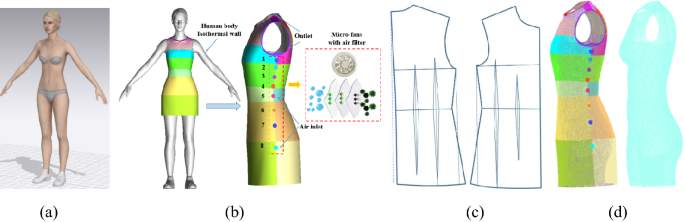
- AI-driven processors analyze environmental data and trigger adaptive responses, such as activating moisture-wicking fibers when humidity rises.
3. Self-Powered Textiles
- Solar-powered and kinetic energy-based fabrics allow garments to function without external batteries.
- Energy-storing fibers collect movement-generated power to fuel heating or cooling elements.
Real-World Applications of Hyper-Localized Fashion
This next-gen clothing technology is not just a futuristic dream—it is already being tested in various industries:
1. Sportswear and Outdoor Gear
- Brands like The North Face and Patagonia are experimenting with climate-adaptive gear for extreme environments.
- Running shirts that cool down when exposed to excessive sweat are already hitting the market.
2. Urban Commuter Wear
- City dwellers face frequent shifts in weather throughout the day. Adaptive coats with built-in air vents or heated pockets are being designed for urban professionals on the go.
3. Medical and Health Applications
- Clothing that regulates temperature can be life-saving for individuals with conditions such as hypothermia sensitivity or circulatory disorders.
- Smart gloves that detect low temperatures and warm up could help individuals with arthritis and poor circulation.
4. Sustainable Fashion and Climate Impact
- Hyper-localized fashion reduces the need for excessive wardrobe choices, decreasing textile waste.
- Sustainable materials that adjust to climate changes can minimize reliance on single-use fast fashion purchases.
Ethical and Technological Challenges
Despite its potential, the implementation of hyper-localized fashion faces several challenges:
- Data Privacy Concerns – GPS-enabled clothing raises concerns about tracking and personal data security.
- Cost and Accessibility – Advanced fabrics and embedded technology remain expensive, limiting accessibility for the average consumer.
- Durability Issues – Frequent activation of self-heating or cooling mechanisms can wear down textile performance over time.
- Power Management – Efficient energy sources are needed to support adaptive clothing without requiring frequent charging.
The Future of Hyper-Localized Fashion
As climate unpredictability increases, adaptive fashion is expected to become a mainstream necessity rather than a luxury. Future developments may include:
- AI-Powered Personal Styling Assistants – Virtual assistants that recommend outfit adjustments based on real-time weather forecasts.
- Interconnected Fashion Networks – Clothing that syncs with smart home systems to adjust indoor environments alongside wearable temperature control.
- Biodegradable Smart Fabrics – Sustainable materials that decompose naturally while retaining climate-responsive functionality.
Conclusion
Hyper-localized fashion is at the forefront of innovation, merging technology, sustainability, and convenience. Whether combating extreme weather, enhancing performance wear, or simply making everyday life more comfortable, these advancements promise a new era where clothing is no longer static but a responsive, intelligent part of our lives. As technology evolves, we can expect a future where our wardrobe is not just chosen for the season, but adapts dynamically to every moment, ensuring both comfort and efficiency in an ever-changing world.