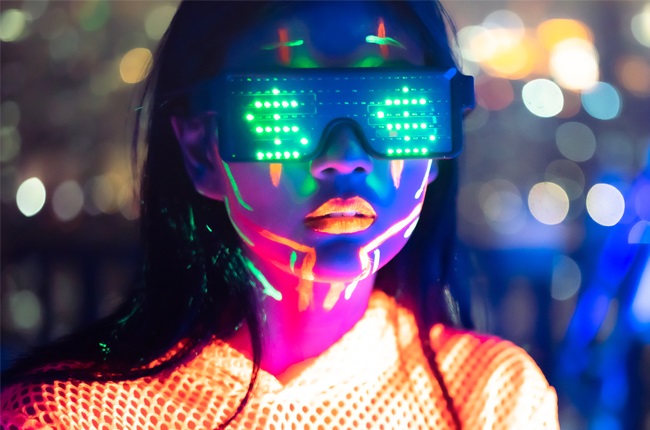
The Rise of Virtual-Only Wardrobes
In an era where digital presence is just as significant as physical reality, fashion is undergoing a radical transformation. The concept of virtual clothing—wearable digital assets that exist solely in the Metaverse—has taken the fashion industry by storm. From luxury brands releasing NFT fashion collections to influencers flaunting designer outfits that don’t exist in the physical world, digital fashion is redefining the way people express themselves online.
With consumers spending thousands on digital apparel, and brands capitalizing on the hype, the question arises: Is digital fashion a fleeting trend, or does it signal a permanent shift in how we perceive clothing and ownership?
Understanding Digital Fashion and Wearable NFTs
Digital fashion refers to clothing that exists purely in a virtual space. Unlike traditional garments, digital outfits are designed for avatars in the Metaverse, social media filters, or augmented reality experiences. These virtual garments, often sold as Non-Fungible Tokens (NFTs), provide proof of ownership and exclusivity, much like real-world designer fashion.
NFT fashion items are unique, blockchain-verified assets that cannot be replicated. Consumers can purchase, trade, or showcase them in digital spaces, such as Decentraland, The Sandbox, or even Instagram and Snapchat.
Why Are People Paying for Clothes They’ll Never Wear?
The appeal of virtual-only wardrobes may seem perplexing at first, but there are several key reasons why digital fashion is gaining traction:
1. Social Media and Digital Expression
In a world dominated by Instagram, TikTok, and streaming platforms, personal branding is everything. Digital fashion allows individuals to showcase exclusive outfits without ever needing to worry about laundry, closet space, or sustainability issues.
2. Gaming and the Metaverse
The gaming industry has long embraced digital skins—cosmetic outfits for avatars in games like Fortnite, Roblox, and Minecraft. As the Metaverse expands, users want their avatars to reflect personal style, leading to increased demand for high-end virtual fashion.
3. Exclusivity and Status
Just like limited-edition sneakers or luxury handbags, NFT fashion items create an aura of exclusivity. Owning a rare digital outfit from a high-end brand signals prestige and access to a niche fashion-forward community.
4. Sustainability and Ethics
Fast fashion’s environmental impact has sparked a movement toward more sustainable choices. Digital fashion eliminates textile waste, reducing carbon footprints while still allowing consumers to participate in trend cycles.
How Brands Are Capitalizing on the Digital Fashion Boom
Luxury fashion houses, tech companies, and independent designers are all rushing to stake their claim in the NFT fashion industry. Some notable examples include:
- Gucci’s NFT Sneakers: Gucci introduced a $12 virtual sneaker that customers could wear in AR and digital environments.
- Balenciaga in Fortnite: The high-fashion brand partnered with Fortnite to release exclusive skins, blending gaming culture with haute couture.
- Dolce & Gabbana’s NFT Collection: The fashion house auctioned a digital collection for nearly $6 million, setting a precedent for high-value virtual fashion.
- Ralph Lauren’s Metaverse Expansion: Ralph Lauren has experimented with virtual storefronts and digital apparel, recognizing the potential of Web3 fashion.
The Future of Material Fashion vs. Digital Fashion
As digital fashion grows, it raises questions about the future of traditional fashion. Will virtual clothing replace physical garments? Or will they coexist as complementary forms of self-expression?
- Hybrid Fashion Models: Many brands are experimenting with “phygital” (physical + digital) fashion, where customers receive both a real-life and an NFT version of a garment.
- Virtual Fashion Shows: Instead of costly, waste-producing runway shows, brands are launching digital-only fashion weeks in virtual spaces.
- Ownership and Authenticity: Blockchain technology ensures authenticity and ownership, potentially solving issues like counterfeiting in the real-world fashion industry.
Challenges and Ethical Considerations
While the digital fashion industry is booming, it also faces some significant hurdles:
- High Costs and Accessibility: Digital fashion remains a luxury market, with many pieces being inaccessible to the average consumer.
- Energy Consumption: Blockchain transactions, especially on networks like Ethereum, consume significant energy, raising sustainability concerns.
- Digital Divide: Not everyone has access to Metaverse platforms or understands NFT ownership, limiting widespread adoption.
Conclusion
Digital fashion is more than a passing trend—it’s a glimpse into the future of self-expression, commerce, and technology. As the Metaverse evolves, virtual wardrobes will likely become as commonplace as physical ones, redefining the meaning of personal style. Whether you embrace the digital drip or prefer the feel of real fabric, one thing is certain: fashion is no longer confined to the tangible world.