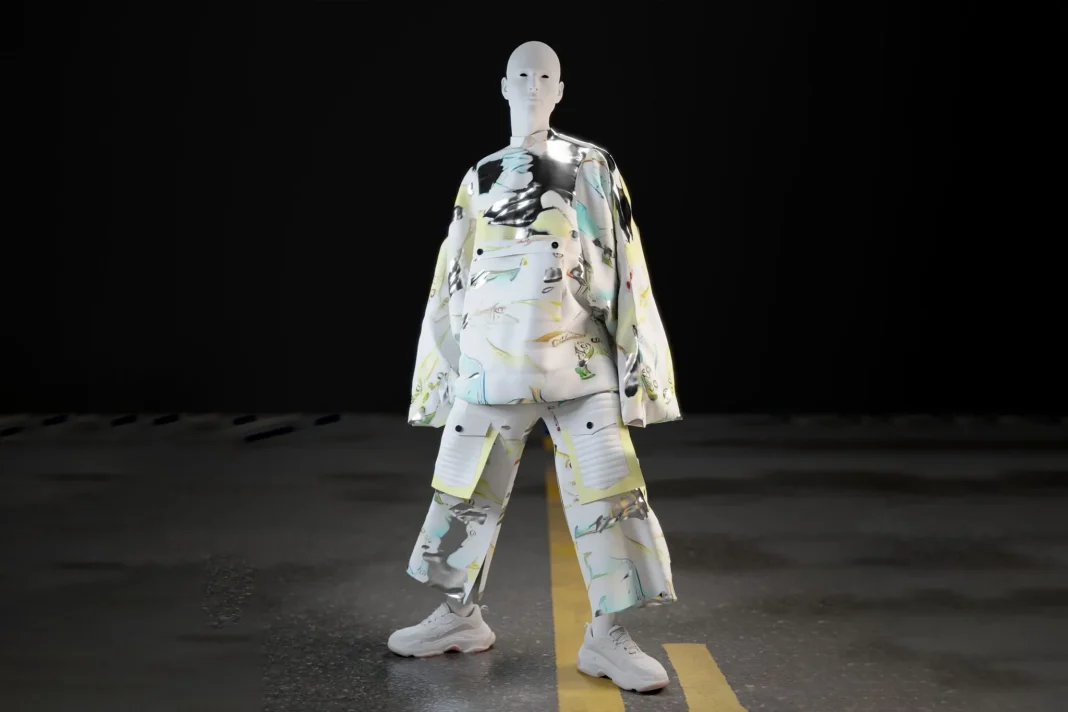
The Rise of AI in Fashion
Fashion has always been a reflection of culture, trends, and individual personality. However, the process of choosing outfits and predicting style trends has traditionally been subjective, prone to human error, and at times, riddled with fashion faux pas. Enter artificial intelligence—a game-changing force that is revolutionizing the way we dress, shop, and perceive fashion. AI is not only curating perfectly styled outfits tailored to individual preferences but also predicting upcoming trends before they happen and preventing brands from launching designs that are destined to flop.
How AI is Eliminating Fashion Mistakes
AI’s integration into the fashion industry spans multiple areas, making it easier than ever to avoid outdated, mismatched, or unflattering fashion choices. Here’s how:
1. AI-Powered Personal Stylists
AI-driven personal styling platforms like Stitch Fix, Google’s AI Fashion Assistant, and Amazon’s StyleSnap analyze user preferences, body types, and fashion history to curate outfits that best suit an individual’s style. These systems learn from feedback, continually refining suggestions to ensure that fashion mishaps are a thing of the past.
2. Predicting Trends Before They Happen
AI algorithms analyze vast amounts of social media data, runway shows, influencer activities, and even search engine queries to predict fashion trends with remarkable accuracy. Brands like H&M and Zara use machine learning to determine which styles will be in demand, allowing them to produce clothing that aligns with emerging trends instead of outdated styles.
3. Virtual Fitting Rooms and AI-Driven Sizing Solutions
One of the biggest causes of bad fashion choices is improper fit. AI-powered virtual fitting rooms allow consumers to try on clothes digitally using augmented reality, ensuring they select the right size and style before making a purchase. Companies like True Fit and Fit Analytics use AI to recommend precise clothing sizes based on an individual’s measurements, reducing returns and enhancing customer satisfaction.
4. Preventing Fashion Flops
AI is helping designers and brands avoid costly mistakes by analyzing historical data, sales patterns, and consumer preferences. Machine learning models can predict which designs are likely to succeed and which are likely to flop, allowing brands to focus on pieces that will resonate with their target audience. AI also enables real-time trend adaptation, ensuring that brands stay relevant in an ever-changing market.
Ethical Implications of AI in Fashion
While AI’s role in curating fashion choices offers undeniable benefits, there are ethical concerns that arise when machines dictate personal style. Some of the most pressing issues include:
- Loss of Individual Expression: If AI determines what people should wear, will personal creativity and uniqueness be sacrificed in favor of algorithmic perfection?
- Over-Reliance on Technology: As consumers become dependent on AI-powered fashion recommendations, will they lose the ability to develop their own sense of style?
- Data Privacy Concerns: AI relies on massive amounts of personal data to refine fashion choices. How can users be assured that their information is being used ethically and securely?
- Impact on Designers and Artisans: If AI begins designing and curating clothing choices at scale, where does that leave human designers, stylists, and creatives in the industry?
The Future of AI-Driven Fashion
Despite the ethical challenges, AI’s role in fashion is only expected to grow. Future advancements may include:
- Fully Automated Wardrobes: AI-driven smart closets that select outfits for users based on weather, calendar events, and personal preferences.
- AI-Generated Custom Fashion: Hyper-personalized clothing designed using AI, ensuring that each piece is unique and tailored to an individual’s needs.
- Sustainable Fashion Decisions: AI optimizing supply chains and consumer behavior to promote eco-friendly fashion choices and reduce waste.
Conclusion
AI is rapidly transforming the fashion industry, eliminating bad fashion choices and redefining how we approach personal style. While the benefits of AI-driven fashion are clear—from personalized outfit curation to predictive trend analysis—the ethical implications must be carefully considered. As technology continues to shape fashion, the challenge lies in striking a balance between innovation and individual creativity, ensuring that AI enhances rather than dictates our sartorial identities.