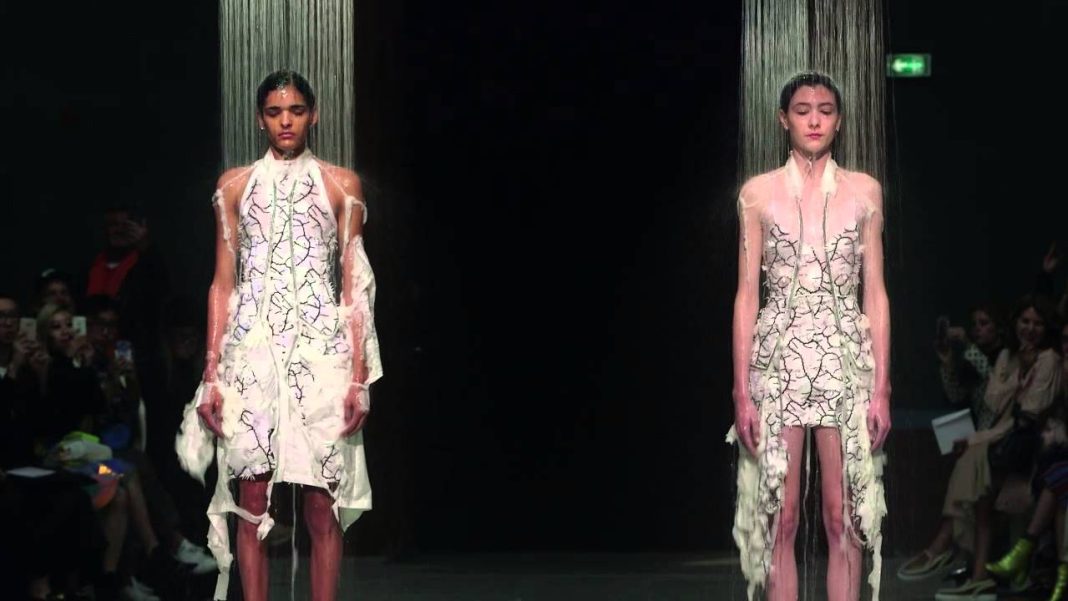
The Disappearing Wardrobe: Fashion That Melts, Dissolves & Vanishes

The Evolution of Temporary Fashion

As the fashion industry grapples with its massive environmental footprint, a radical new approach is emerging—clothing designed to disappear. Biodegradable, compostable, and dissolvable garments offer a revolutionary way to reduce textile waste, ensuring that fashion leaves no lasting impact on the planet. From mushroom-based jackets that break down in 30 days to dissolvable wedding dresses, brands and researchers are embracing fashion with an expiration date.

The Science Behind Vanishing Clothing

Biodegradable fashion relies on cutting-edge material science to create fabrics that naturally decompose. These materials, often derived from organic and renewable sources, are engineered to break down under specific conditions such as heat, moisture, or microbial activity. Some key innovations in this field include:

1. Mushroom-Based Textiles

Mycelium, the root structure of fungi, has become a popular alternative to traditional leather and synthetic fabrics. Companies like MycoWorks and Bolt Threads have developed durable yet biodegradable mycelium-based jackets and shoes that compost entirely within a few weeks.

2. Dissolvable Wedding Dresses

Some designers have introduced gowns made from water-soluble fabrics such as polyvinyl alcohol (PVA). After the ceremony, the dress can be dissolved in water, leaving no waste behind—offering a poetic yet practical solution to single-use fashion.

3. Algae-Based Yarns and Fabrics

Researchers have created plant-based fibers from algae that naturally decompose when exposed to soil and water. These materials not only eliminate synthetic waste but also contribute to soil enrichment as they break down.

4. Paper and Cellulose-Based Clothing

Some experimental brands are crafting clothing from paper-infused textiles or cellulose-derived fibers that can be shredded and composted after a few uses. These garments offer a low-impact alternative to polyester and other synthetic fabrics.

The Environmental and Ethical Benefits

Temporary fashion challenges the traditional notion of long-lasting clothing, shifting the focus from durability to sustainability. Some key benefits include:

  • Reduced Landfill Waste: Unlike synthetic garments that take centuries to decompose, these materials break down within weeks or months.
  • Lower Carbon Footprint: The production of biodegradable textiles often requires fewer resources and emits less CO2 compared to traditional manufacturing.
  • Circular Fashion Economy: Biodegradable clothing supports a closed-loop system where garments return to nature instead of accumulating in waste dumps.

Challenges and Future Potential

While disappearing fashion presents exciting possibilities, challenges remain:

  • Durability vs. Temporary Design: Consumers may be reluctant to invest in garments with limited lifespans unless durability concerns are balanced with functional wearability.
  • Cost and Accessibility: Currently, many of these innovations are in early development, making them more expensive than mass-produced fast fashion.
  • Consumer Mindset Shift: Encouraging people to embrace fashion as a temporary experience rather than a long-term investment requires significant cultural change.

Conclusion

The concept of a disappearing wardrobe signals a new era of conscious consumption, where garments exist only as long as they are needed before seamlessly reintegrating into the environment. As technology advances, the fashion industry may one day move away from waste altogether, embracing clothing that is as ephemeral as the seasons themselves. The future of fashion isn’t just about what we wear—it’s about what we leave behind.

spot_img

Must Read

Related Articles

LEAVE A REPLY

Please enter your comment!
Please enter your name here