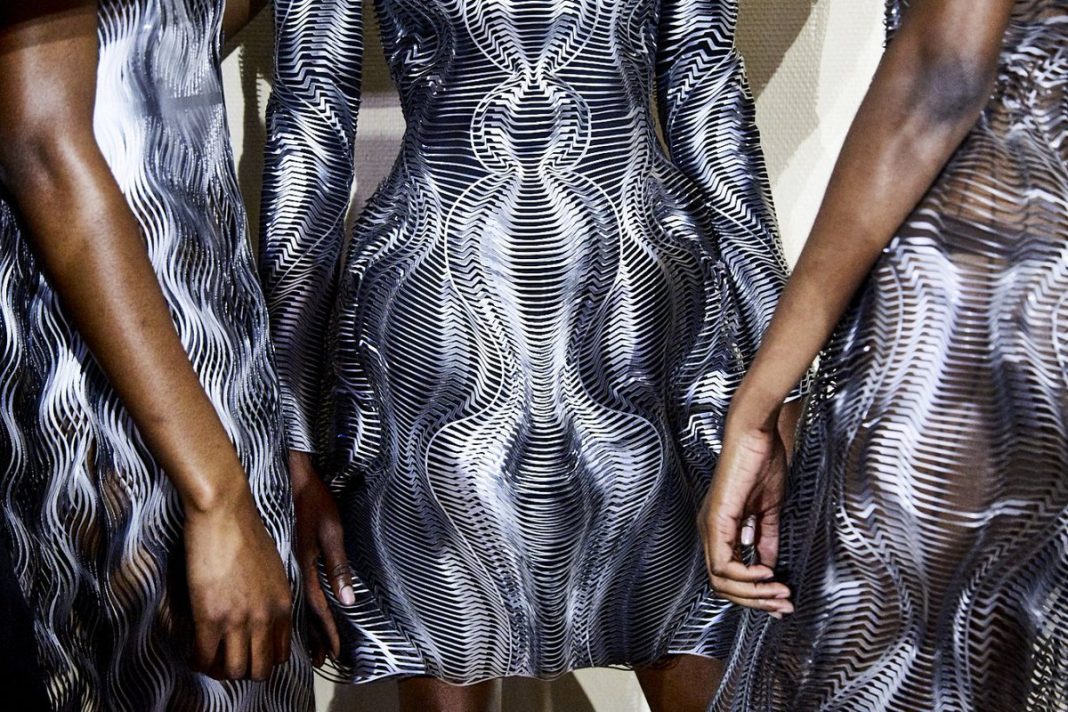
The Intersection of Fashion and Neuroscience
Fashion has always been an avenue for self-expression, but what if clothing could respond to our thoughts and emotions in real time? The emergence of brainwave-interactive clothing is revolutionizing the industry by blending neuroscience with textile innovation. These garments, designed to change shape, texture, or color based on neural signals, offer a futuristic approach to personal expression, mental well-being, and even medical applications.
How Brain-Connected Fashion Works
The core of this technology lies in brain-computer interfaces (BCIs), which detect electrical activity in the brain and translate it into commands. Electroencephalography (EEG) sensors embedded in headbands, wearables, or even the fabric itself capture brainwave patterns, which are then processed by an algorithm to trigger physical responses in the garment.
For example, if a person feels anxious, their clothing might shift to a calming blue hue, or a jacket might tighten slightly to provide a comforting sensation akin to a hug. Conversely, an excited state might trigger vibrant color changes or patterns, visually representing the wearer’s enthusiasm.
Pioneering Innovations in Neuroscience-Driven Textiles
Several companies and research institutions are making significant strides in this field. Some noteworthy developments include:
1. Color-Changing Fabrics
Researchers have developed smart textiles that use thermochromic and electrochromic materials to shift colors based on neural activity. A person experiencing joy might see their outfit turn a warm golden hue, while stress could induce a cooling green.
2. Shape-Morphing Clothing
Using shape-memory alloys or 4D-printed textiles, some garments can physically alter their structure based on a wearer’s emotional state. For instance, a dress might flare outward when the wearer feels confident or contract slightly during moments of discomfort, providing tactile feedback.
3. Texture-Adaptive Wearables
Smart fabrics with microfluidic systems or electroactive polymers allow clothing to shift textures dynamically. This could enhance sensory experiences—smoothing out fabric during moments of relaxation or adding a structured feel to enhance alertness.
4. Mental Wellness Applications
Beyond aesthetics, brainwave-connected clothing has potential therapeutic benefits. Mood-sensing garments can help individuals with anxiety or depression by triggering soothing sensations, while neurofeedback-based textiles could aid in meditation and mindfulness practices.
The Future of Neural Threads
While the field is still in its infancy, the integration of neuroscience and fashion has vast implications. As research progresses, we may see brain-connected clothing become mainstream, with applications extending to adaptive workwear, healthcare, and even social interaction.
Challenges and Ethical Considerations Despite its promise, this technology presents challenges such as data privacy, ethical concerns regarding emotional tracking, and the need for seamless, comfortable integration into everyday wear. Ensuring that these garments remain secure from cyber threats while maintaining user control over their personal data will be crucial.
Conclusion
Neural threads represent the next frontier in fashion—one where garments become an extension of our thoughts and emotions. As science and design continue to merge, the future of clothing may be less about what we choose to wear and more about how we feel, making self-expression more intuitive than ever before.