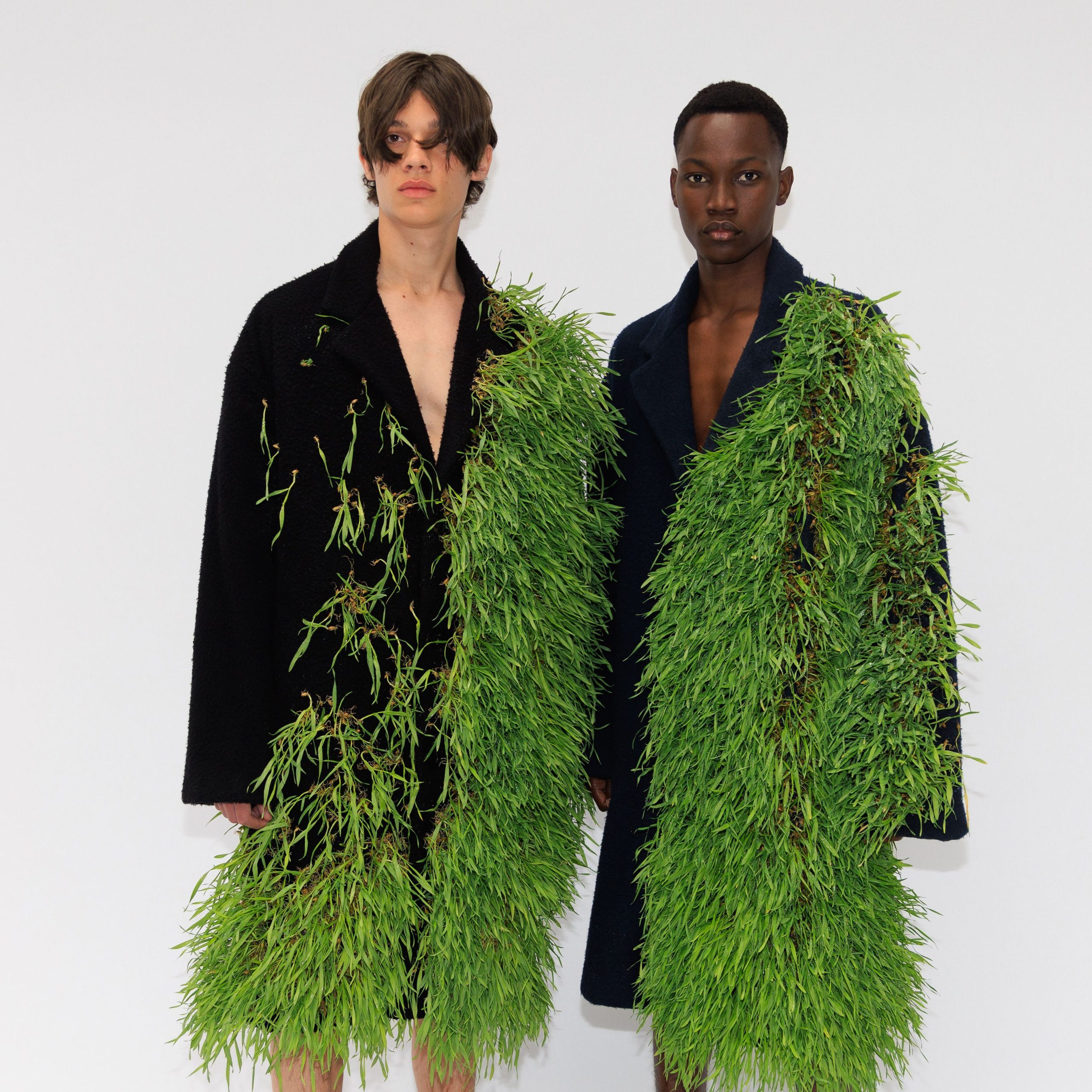
Sustainable Drip: The Future of Bioengineered Fashion

0
735

For decades, the fashion industry has been synonymous with excessive waste, pollution, and environmental degradation. Fast fashion has dominated global markets, creating mountains of textile waste and heavily contributing to water pollution, deforestation, and carbon emissions. However, as the climate crisis intensifies, designers and scientists are pioneering a bioengineered fashion revolution—one that prioritizes sustainability, innovation, and zero waste.

With groundbreaking advancements in mushroom leather, algae-based dyes, lab-grown fabrics, and bacterial textiles, fashion is being redefined at a molecular level. The next era of clothing is no longer just about looking good—it’s about saving the planet while doing it.

The Crisis: Why Fashion Needs a Biotech Makeover

The global fashion industry accounts for 10% of annual carbon emissions—more than all international flights and maritime shipping combined. According to the UN, the industry consumes 93 billion cubic meters of water annually and generates 92 million tons of textile waste per year. Traditional materials like cotton, polyester, and leather come with a hefty environmental cost:

  • Cotton requires enormous amounts of water (2,700 liters for just one t-shirt) and pesticides that damage ecosystems.
  • Polyester sheds microplastics into oceans and takes hundreds of years to decompose.
  • Animal leather contributes to deforestation, methane emissions, and water pollution from toxic tanning processes.

In response to this crisis, bioengineered materials are emerging as a revolutionary alternative—offering sustainable, biodegradable, and cruelty-free solutions without compromising on luxury or durability.


Mushroom Leather: The Future of Luxury Fashion

One of the most promising innovations in bioengineered fashion is mycelium leather, a sustainable alternative to traditional animal leather. Mycelium—the root-like structure of fungi—can be grown into soft, durable, and flexible sheets that mimic the texture and strength of cowhide.

How is Mushroom Leather Made?

  1. Mycelium spores are placed in nutrient-rich environments (such as sawdust or agricultural waste).
  2. Within a few weeks, the mycelium grows into dense layers that can be shaped into leather-like sheets.
  3. These sheets are then tanned and treated using non-toxic processes, creating soft, durable, and water-resistant fabrics.

Major Brands Using Mushroom Leather

  • Stella McCartney introduced the world’s first commercial mycelium leather handbag, the Frayme Mylo™, in collaboration with Bolt Threads.
  • Adidas released a prototype of their iconic Stan Smith sneakers made from mycelium leather.
  • Hermès partnered with MycoWorks to develop Sylvania, a luxurious and supple mushroom leather alternative for high-end handbags.

Why is mushroom leather a game-changer?
100% biodegradable
Zero animal cruelty
Requires significantly less water and energy than traditional leather
Grows in days instead of years

With more brands adopting fungus-based fabrics, the era of cruelty-free, sustainable luxury is rapidly approaching.


Algae-Based Dyes: A Pollution-Free Color Revolution

Dyeing fabrics is one of the most toxic processes in the fashion industry, with conventional dyes polluting rivers, oceans, and drinking water with heavy metals and synthetic chemicals. Enter algae-based dyes—a natural, biodegradable, and non-toxic alternative that eliminates water pollution.

How Do Algae-Based Dyes Work?

  • Algae cells are grown in labs or harvested from oceans.
  • They are processed into natural pigments without synthetic additives.
  • The extracted dyes are applied to fabrics, producing vibrant and long-lasting colors that are free from harmful toxins.

Leading Brands Using Algae-Based Dyes

  • Vollebak developed a t-shirt dyed with algae, which gradually fades and decomposes back into nature.
  • Pangaia incorporates algae dyes in their clothing collections, promoting eco-friendly color innovation.
  • Living Ink Technologies is creating carbon-negative dyes made from algae, reducing reliance on petroleum-based colors.

Why are algae-based dyes a breakthrough?
Completely biodegradable and non-toxic
Requires no synthetic chemicals
Uses minimal water and energy
Naturally fades into organic tones without pollution

With bio-pigments replacing toxic dyes, the future of fashion will be both colorful and clean.


Lab-Grown Fabrics: The Next Generation of Sustainable Textiles

Imagine a future where clothing is grown in a lab, rather than harvested from plants or animals. Thanks to biotechnology, that future is already here. Scientists are using cell culture techniques to create lab-grown wool, silk, and cotton without the need for farming, pesticides, or deforestation.

How Are Lab-Grown Fabrics Made?

  1. Scientists extract DNA from natural fibers (such as sheep wool or silkworm cocoons).
  2. These cells are grown and multiplied in bioreactors, producing fibers identical to traditional textiles.
  3. The fibers are spun into yarn and woven into sustainable, cruelty-free fabrics.

Brands Leading the Lab-Grown Fabric Revolution

  • Modern Meadow is developing Zoa™, a biofabricated leather substitute, grown from yeast cells.
  • Bolt Threads has engineered lab-grown silk, mimicking the properties of natural silk without harming silkworms.
  • Spiber has created Brewed Protein™, a synthetic spider silk that is strong, lightweight, and biodegradable.

Why are lab-grown fabrics the future?
Eliminates the need for animal farming and deforestation
Uses fewer resources and generates less pollution
Can be customized for different textures, durability, and applications

With biofabrication, fashion no longer needs to exploit nature to create luxurious fabrics.


The Future of Sustainable Drip: Where Do We Go from Here?

With bioengineered materials rapidly gaining traction, the next decade will see fashion evolve from a wasteful industry into a regenerative ecosystem. Here’s what the future might hold:

🔹 Self-Healing Clothes – Bioengineered fabrics that repair small tears when exposed to heat or water.
🔹 Biodegradable Sneakers – Shoes that decompose after a set lifespan, reducing landfill waste.
🔹 Microplastic-Free Activewear – Sportswear made from biodegradable fibers that don’t shed harmful microplastics.
🔹 Personalized Bio-Fashion – AI-generated, 3D-printed clothing made from lab-grown materials tailored to your body.

As consumers demand more ethical and sustainable choices, major brands will be forced to adopt bioengineered textiles or risk being left behind. Sustainable drip isn’t just a trend—it’s the future of fashion. 🌱🔥

LEAVE A REPLY

Please enter your comment!
Please enter your name here