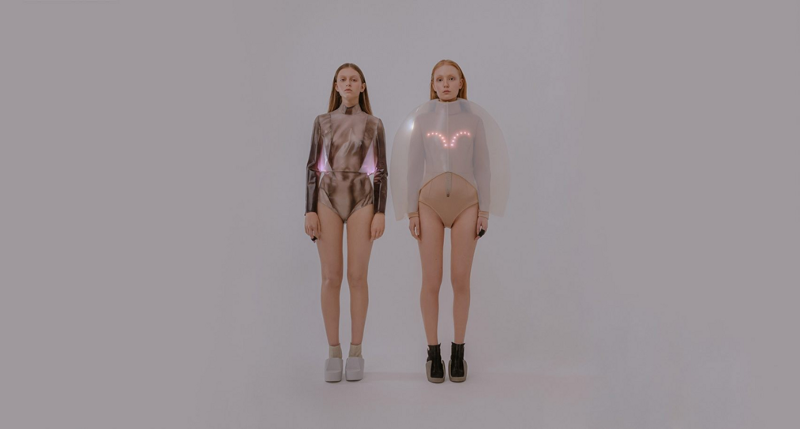
The Rise of Emotionally Responsive Clothing: When Fashion Feels You

0
3765

Fashion has always been a reflection of self-expression, but what if your clothing could actually feel your emotions and respond accordingly? Welcome to the new frontier of wearable technology—emotionally responsive clothing. Imagine a jacket that darkens in color when you’re stressed, a dress that glows softly when you’re happy, or shoes that subtly adjust their cushioning based on your level of fatigue.

With advancements in AI, biometric sensors, and smart textiles, fashion is no longer just about aesthetics—it’s becoming an interactive experience that connects deeply with human emotions. From color-changing fabrics that react to mood to heat-sensitive textiles and AI-driven styling recommendations, the industry is on the verge of an emotional revolution.


How Does Emotionally Responsive Clothing Work?

The science behind emotionally responsive clothing lies in biometric sensors, AI-driven data analysis, and reactive textiles that change in real-time. Here’s how these cutting-edge innovations work together to create a truly personal fashion experience:

1. Biometric Sensors: The Heartbeat of Emotional Fashion

Biometric sensors embedded in clothing can detect physiological changes in the body, such as:

  • Heart rate and blood pressure: Increased heart rate could indicate excitement, anxiety, or stress.
  • Body temperature: A sudden rise in temperature might mean nervousness, while a drop could indicate relaxation.
  • Electrodermal activity (EDA): Sweat gland activity, which is linked to emotional arousal, can be tracked through wearable skin sensors.
  • Brainwave monitoring (EEG sensors): Some high-tech garments are being developed to track brainwave patterns and interpret emotions.

Once collected, this data is processed by AI, which then triggers a response in the fabric or connected accessories.

2. Color-Changing Fabrics That React to Mood

One of the most exciting developments in emotional fashion is the use of thermochromic and electrochromic textiles—materials that change color based on heat or electric signals.

Brands and Innovations in Mood-Responsive Fashion

  • MIT’s Tangible Media Lab has been experimenting with “living fabrics” that shift colors based on body temperature and stress levels.
  • The ‘CHROMOROSE’ Dress by Dutch designer Anouk Wipprecht changes hues based on the wearer’s emotional state, using embedded biometric sensors.
  • Lume, an experimental startup, is developing fabric that subtly shifts between warm and cool tones depending on the user’s mood.

Imagine a world where a person’s outfit reflects their emotions—cool blues for a calm, meditative state, fiery reds when feeling passionate, and soft pastels when experiencing joy.

3. Heat-Sensitive Textiles That Adapt to Stress and Comfort

Beyond aesthetics, emotional clothing can also adjust temperature based on emotional states.

  • A jacket might cool down when it detects signs of stress, keeping the wearer comfortable in high-pressure situations.
  • A scarf could generate warmth when the user is feeling anxious, mimicking the soothing effect of a hug.
  • Athletic wear that detects adrenaline spikes could switch to a cooling mode to help regulate body heat during workouts or competitions.

Luxury brands and sportswear companies are already investing in temperature-sensitive garments. Nike, for example, has been experimenting with adaptive fabrics that react to body heat and environmental conditions.

4. AI-Powered Styling Recommendations Based on Emotional Data

Fashion-tech brands are integrating AI algorithms that analyze biometric data to offer personalized styling suggestions.

For example:

  • Your smart mirror detects that you’re feeling sluggish in the morning and suggests a vibrant, high-energy outfit to boost your mood.
  • Your fitness tracker syncs with your wardrobe app, recommending a cozy outfit after detecting post-workout exhaustion.
  • AI-powered shopping assistants might suggest clothes based on your mood, helping users make wardrobe decisions that align with their emotional state.

5. The Intersection of Fashion, Mental Health, and Well-Being

One of the most promising aspects of emotionally responsive clothing is its potential to improve mental health and well-being. Clothing could be used as a therapeutic tool by:

  • Helping individuals with anxiety or depression—Color-shifting clothes could provide a subtle way to express emotions without verbal communication.
  • Enhancing mindfulness—Responsive textiles could serve as a real-time biofeedback system, encouraging deep breathing or meditation when stress is detected.
  • Assisting neurodivergent individuals—Adaptive clothing could help people with autism or sensory sensitivities regulate their comfort levels.

Several startups are working on emotion-sensitive fashion for mental wellness. For instance, CuteCircuit, a London-based wearable tech company, has designed garments with embedded haptic feedback that provide comforting vibrations—similar to a reassuring touch.


Challenges and Ethical Considerations

As exciting as this technology is, it also raises ethical and practical questions:

  1. Privacy Concerns:
  • How will companies handle and protect biometric data?
  • Could emotion-tracking clothing be used for surveillance or commercial manipulation?
  1. Affordability and Accessibility:
  • Will emotionally responsive clothing be available to all consumers, or will it remain a luxury tech item?
  • How can sustainable and affordable materials be integrated into this high-tech fashion trend?
  1. Accuracy and Over-Interpretation:
  • Can fashion truly capture and interpret human emotions correctly?
  • What happens if a garment mistakenly assumes stress when a person is simply excited?
  1. Consumer Adaptation:
  • Will people feel comfortable wearing clothing that reacts to their emotions, or will it feel invasive?
  • Could emotional fashion become a tool for self-expression, or will it add pressure to ‘perform’ moods in public?

The Future of Emotionally Responsive Fashion

As AI, biometric tracking, and smart textiles continue to advance, the next decade will see fashion becoming more intuitive, interactive, and deeply connected to human experience.

What’s Next?

  • Emotion-sensitive accessories: Jewelry and handbags that change color or emit subtle vibrations based on stress levels.
  • Smart shoes: Sneakers that adjust their sole thickness based on mood and energy levels.
  • Biometric fragrance wearables: Perfume-infused clothing that releases calming or energizing scents based on body signals.
  • Full-body immersive wear: Outfits that sync with VR and AR experiences, making digital fashion more sensory-rich.

Fashion is no longer just a statement—it’s an extension of you. In the near future, your clothing might not just reflect your personality; it will understand it. 🚀

LEAVE A REPLY

Please enter your comment!
Please enter your name here