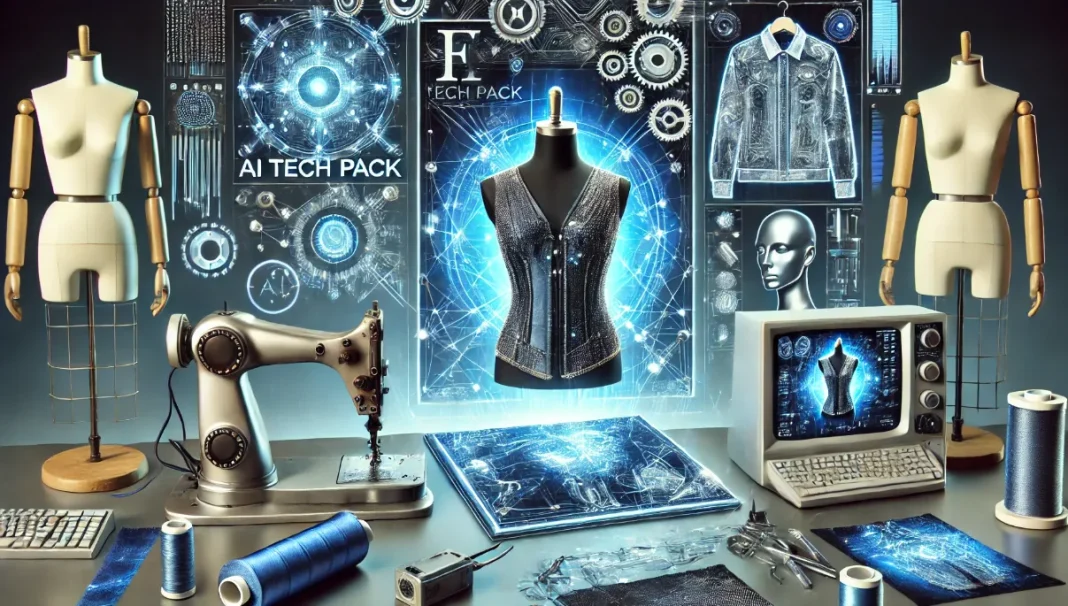
Fashion has always been an evolving art form, but in recent years, its transformation has been nothing short of revolutionary. As artificial intelligence, holographic technology, and digital craftsmanship collide, designers are moving beyond traditional textiles to craft garments that exist in multiple dimensions—both physical and virtual. This shift is redefining the very essence of what clothing means, blurring the lines between reality, fantasy, and technology.
The Dawn of AI-Generated Fashion
Artificial intelligence has become a silent yet powerful collaborator in the world of fashion design. From concept creation to final execution, AI-driven algorithms analyze vast amounts of historical and contemporary fashion data to generate entirely new aesthetics. Brands like The Fabricant, a digital fashion house, have been at the forefront, using AI to create garments that are not just designed but also ‘imagined’ by machines.
AI is revolutionizing the way designers think about silhouettes, color schemes, and textures. For example, programs like DeepDream, developed by Google, allow for hyper-surrealistic designs, where fabrics appear to melt, blend, or shift in texture based on environmental stimuli. Some AI-driven platforms are even capable of designing outfits based on consumer preferences, creating hyper-personalized styles that adapt to an individual’s aesthetic and body type.
Even luxury powerhouses like Gucci and Prada have experimented with AI-generated designs. In 2021, Gucci’s “Gucci Vault” introduced AI-assisted digital pieces that reimagined vintage garments, merging past and future into a seamless aesthetic.
Holographic Fashion: The Birth of a New Reality
The concept of holographic fashion sounds like something out of a sci-fi novel, yet it is increasingly becoming a reality. The ability to wear outfits that are projected rather than physically worn is changing the way people engage with fashion, especially in the digital age.
The Paris Fashion Week 2023 saw an unexpected spectacle when Balenciaga showcased a collection featuring models walking the runway with holographic accessories and apparel that flickered between different styles. This kind of innovation is opening the door for clothing that isn’t constrained by fabric or seams—garments that can dynamically change color, texture, or even design in real-time.
One of the most ambitious projects in this space is “Project Lumina”, a startup working on wearable holographic displays that will allow people to ‘wear’ digital outfits that can be projected onto their bodies. Imagine walking into a party in a sleek black dress, only to change it to a neon-hued streetwear ensemble with a simple gesture.
The Future of Digital and Hybrid Fashion
While AI and holographic fashion are groundbreaking on their own, the fusion of these technologies is where the future truly lies. The concept of “hybrid fashion”—where physical garments are embedded with digital components—is becoming a major trend.
Brands like Iris Van Herpen, known for their avant-garde approach, have begun incorporating elements of digital projection into physical garments. Their recent collections showcased dresses that seemed to “breathe” with moving, projected textures, blurring the lines between couture and augmented reality.
Another prime example is Louis Vuitton’s collaboration with League of Legends, where the brand designed both physical and digital skins for players, marking the intersection of high fashion and virtual identity.
In the coming years, we could see clothing that responds to mood, weather conditions, or even social interactions. Imagine an AI-enhanced jacket that shifts into warmer hues when you’re happy or an outfit that turns semi-transparent in hot weather for ventilation.
Challenges and Ethical Considerations
With any technological advancement, ethical and environmental concerns arise. The production of holographic and AI-generated fashion eliminates material waste, making it a promising alternative to fast fashion. However, there are concerns about exclusivity and accessibility—will digital fashion only cater to the elite, or will it become widely available?
Another challenge is authenticity. If AI can generate endless new fashion designs, will the role of human designers diminish? Many argue that rather than replacing creativity, AI and digital tools are simply new mediums for expression, much like photography once transformed portrait art.
Conclusion: The Next Chapter of Fashion
The evolution of fashion beyond physical fabrics is more than just a fleeting trend—it’s a paradigm shift. AI and holographic technologies are not only redefining how we create and wear clothing but also how we experience and interact with fashion itself. As digital wardrobes become a reality and the boundaries between the physical and virtual worlds blur, one thing is certain: the future of fashion is limitless.
Fashion is no longer just about what we wear—it’s about how we project, express, and reimagine ourselves in an ever-evolving digital landscape. 🚀