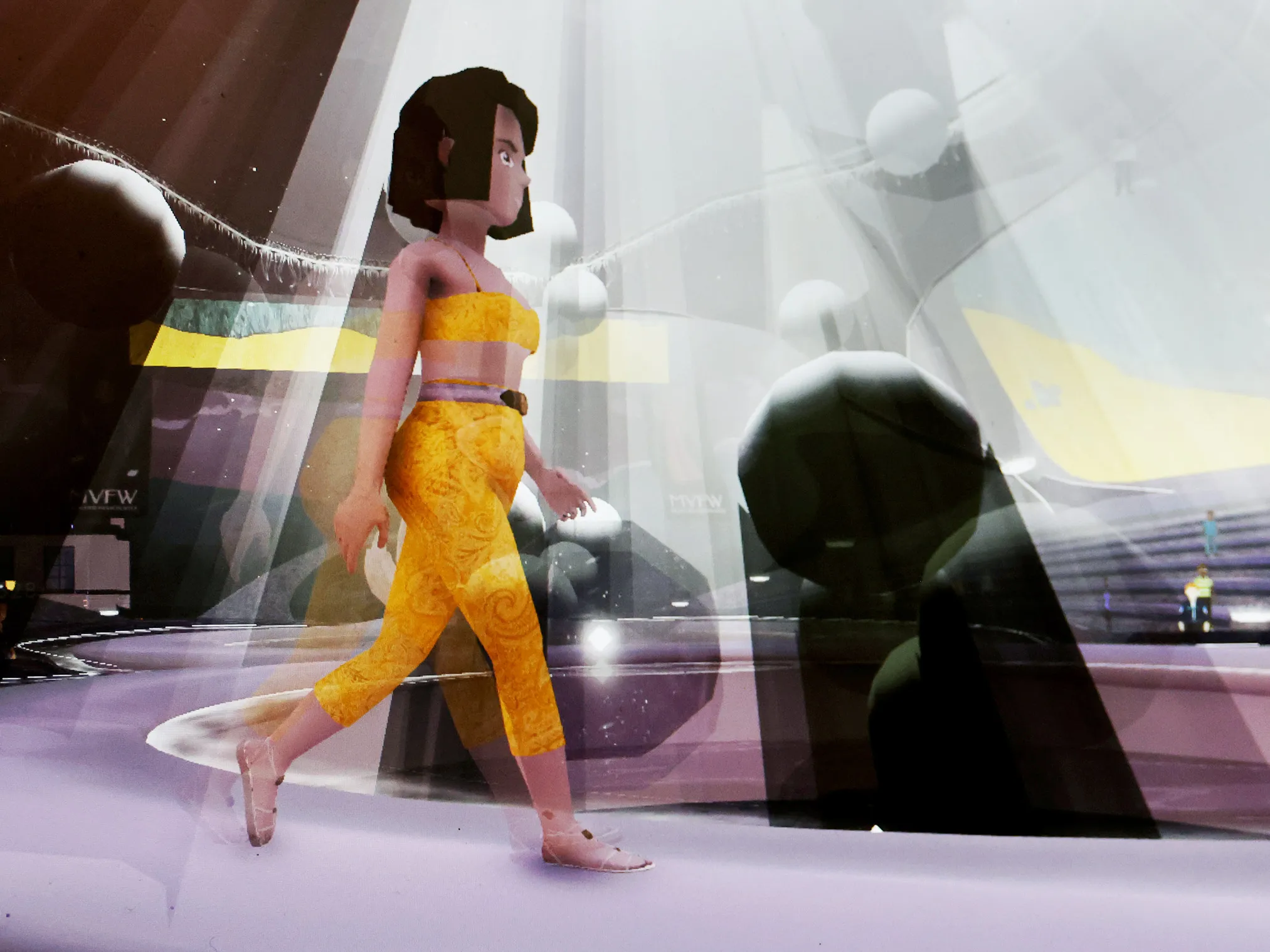
As we venture further into the 2020s, the fashion landscape is increasingly blending with digital realms, creating exciting opportunities to explore new identities and styles in virtual spaces. One of the most significant shifts we’re seeing in 2025 is the growing popularity of digital fashion. With the metaverse and virtual reality (VR) spaces gaining traction, digital fashion is no longer a futuristic concept but an integral part of how we express ourselves in virtual environments. Whether it’s for social media, virtual events, or even gaming avatars, styling your digital presence is becoming just as important as dressing your real-world body.
The convergence of fashion and technology is creating new avenues for designers, brands, and consumers to experiment with fashion beyond the constraints of physical reality. Clothing in the metaverse doesn’t have to adhere to the limitations of fabric, size, or physical form. This opens the door for creativity and innovation like never before. From futuristic materials to the latest virtual fashion shows, 2025 will be a revolutionary year for digital fashion.
The Rise of Digital Fashion
In 2025, fashion in the metaverse will become a booming industry, with many tech companies, fashion designers, and influencers getting involved. Digital fashion allows users to create and customize outfits for their avatars, virtual identities that represent them in digital spaces. This offers a brand-new type of self-expression, where virtual garments can be more experimental, fantastical, and boundary-pushing compared to what we wear in the physical world.
From platforms like Decentraland and Roblox to Instagram’s AR filters, digital fashion has already begun making waves. Some of the world’s top fashion houses, such as Balenciaga, Gucci, and Prada, have partnered with virtual worlds to showcase their collections in these immersive environments. Even emerging brands are using digital fashion as a way to engage with younger, tech-savvy consumers who value both innovation and creativity.
The Power of Customization in Digital Fashion
One of the biggest draws of digital fashion is the ability to fully customize your avatar’s wardrobe. This is not just about picking an outfit from a pre-made selection—it’s about creating a completely personalized style that reflects your tastes, personality, and desires. Whether it’s designing a custom t-shirt, experimenting with outlandish colors, or trying out digital-only accessories like animated earrings, the possibilities for self-expression are limitless.
Digital fashion allows users to experiment with designs that would be impossible or impractical in the real world. You can wear glowing garments, textures that morph in real time, and shoes that change shape as you move. Designers are now offering virtual collections that range from haute couture designs to streetwear-inspired outfits, and each can be tailored to fit your avatar’s body exactly how you envision it. You can also update your virtual wardrobe frequently without the cost or waste associated with real-life shopping, as digital garments are easily replicable and don’t require traditional manufacturing.
Digital Fashion Shows and Events
The virtual space is also changing the way fashion is showcased. In 2025, digital fashion shows are a major player, where collections are launched in virtual realms rather than physical runways. These shows allow anyone with access to the metaverse to participate, watch, and engage with the collection in real time. These events create unique experiences where avatars can stroll the virtual runway or attend live-streamed shows directly from their homes, making fashion more accessible and interactive.
For example, platforms like Roblox have partnered with fashion brands to host digital fashion shows where users’ avatars can wear the designs in real-time, creating a blend of gaming and fashion experiences. These virtual shows often feature elaborate sets, special effects, and animated garments that can’t exist in the physical world. Attending a virtual fashion show is an entirely new form of entertainment, offering more access to a global audience and eliminating the exclusivity traditionally associated with high-fashion events.
How to Style Your Avatar in 2025
As digital fashion becomes more mainstream, learning how to style your avatar will be as essential as curating your real-life wardrobe. Here are some tips on how to make the most of your virtual identity in 2025:
- Experiment with Impossible Materials: The beauty of digital fashion is that you’re no longer limited by fabric types. Play with materials like glowing holograms, liquid metal, or even fabrics that change colors depending on the environment. Imagine wearing an outfit that looks like it’s made of flowing water, or a jacket that turns transparent when you walk through a digital doorway.
- Go Beyond Human Proportions: While you can still keep your avatar looking human, the real fun comes from exaggerating proportions. Try out oversized shoes, enormous hats, or disproportionate accessories that create a whimsical and futuristic appearance. Digital fashion allows for a level of creativity that would be impossible in the real world.
- Layer Multiple Looks: Virtual worlds often allow for endless customization, so take advantage of this by layering outfits on top of one another. You can combine a streetwear hoodie with a futuristic metallic coat, a pair of digital sneakers, and holographic gloves. There are no restrictions, and you can create multiple looks that would be impractical or uncomfortable in the real world.
- Integrate AR/VR Accessories: Augmented reality (AR) and virtual reality (VR) accessories are making waves in digital fashion. Think about wearing a pair of AR glasses that overlay virtual elements on the real world or adding animated jewelry that moves with your avatar. Accessories such as floating holograms, digital pets, and animated hairstyles are becoming increasingly popular.
- Engage with Fashion Communities: One of the best ways to get inspiration and stay on top of the latest digital fashion trends is to join virtual fashion communities. Many metaverse platforms, like Decentraland, offer spaces for fashion enthusiasts to meet, share their creations, and collaborate on projects. You can also buy, sell, and trade digital garments as NFTs, allowing for rare, one-of-a-kind pieces that boost your avatar’s fashion status.
Digital Fashion Sustainability
An exciting aspect of digital fashion in 2025 is its potential for sustainability. Virtual garments are not physically produced, which means they leave no carbon footprint. There is no waste from unsold clothing, and the environmental impact of manufacturing processes is eliminated. By investing in digital fashion, you’re participating in a more sustainable and eco-conscious industry. The virtual space will give consumers the chance to engage with fashion without contributing to fast fashion’s negative environmental impact.
Digital fashion is pushing the boundaries of creativity and technology, offering fashion lovers a new way to explore their style and identity in virtual spaces. With more brands, designers, and consumers embracing this digital evolution, the future of fashion will be shaped by a blend of innovation, creativity, and sustainability.
